
Titanium Clad vs Solid Titanium Components: A Practical Comparison
Titanium has become a highly sought-after material in various industries, including aerospace, medical, and automotive, due to its excellent strength-to-weight ratio, corrosion resistance, and durability. Understanding the difference between titanium clad and solid titanium components is essential when selecting the right material for your next project.
What is Solid Titanium?
Solid titanium refers to components made entirely of titanium, offering maximum strength and resistance to corrosion. This material is known for its robustness, making it ideal for applications that require exceptional durability. Whether for medical implants, aerospace structures, or high-performance automotive parts, solid titanium provides reliability.
What is Titanium Clad?
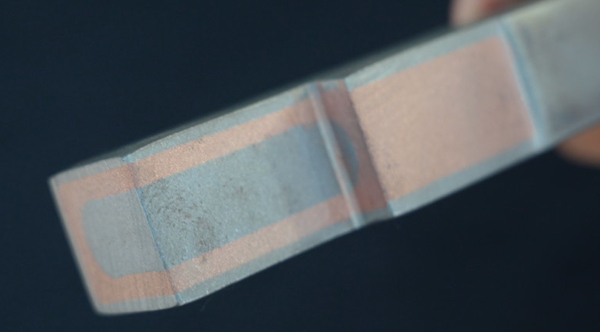
Titanium clad components consist of a core made of a different metal, typically aluminum or steel, coated with titanium. This design allows for the advantages of titanium’s protective qualities while keeping costs lower than fully solid titanium components. These are particularly useful in applications where weight savings and corrosion resistance are necessary, but the full strength of titanium is not required.
Titanium Clad vs Solid Titanium Components: A Practical Comparison
Titanium has become a highly sought-after material in various industries, including aerospace, medical, and automotive, due to its excellent strength-to-weight ratio, corrosion resistance, and durability. Understanding the difference between titanium clad and solid titanium components is essential when selecting the right material for your next project.
What is Solid Titanium?
Solid titanium refers to components made entirely of titanium, offering maximum strength and resistance to corrosion. This material is known for its robustness, making it ideal for applications that require exceptional durability. Whether for medical implants, aerospace structures, or high-performance automotive parts, solid titanium provides reliability.
What is Titanium Clad?
Titanium clad components consist of a core made of a different metal, typically aluminum or steel, coated with titanium. This design allows for the advantages of titanium’s protective qualities while keeping costs lower than fully solid titanium components. These are particularly useful in applications where weight savings and corrosion resistance are necessary, but the full strength of titanium is not required.
Comparative Advantages
Cost: Solid titanium is generally more expensive than titanium clad components. If budget constraints are a factor, titanium clad may be the more cost-effective choice.
Weight: Both options offer lightweight benefits; however, titanium clad components can be lighter due to their core material.
Strength and Durability: Solid titanium is superior in terms of strength and long-term durability, whereas titanium clad offers decent durability but may not withstand extreme conditions as effectively as solid titanium would.
Applications to Consider
Solid titanium is often preferred in high-demand environments such as surgical implants or aerospace parts, where failure isn’t an option. Conversely, titanium clad components can be sufficient for less critical applications, such as marine hardware or some automotive parts, where cost savings and lower weight are key factors.
Conclusion
When deciding between titanium clad and solid titanium components, consider the specific requirements of your application. For durability and strength, solid titanium is the go-to choice. If cost and weight are primary concerns, titanium clad components may be the way to go. Understanding these differences will enable you to make an informed decision tailored to your project needs. Contact Standard Anode today.
