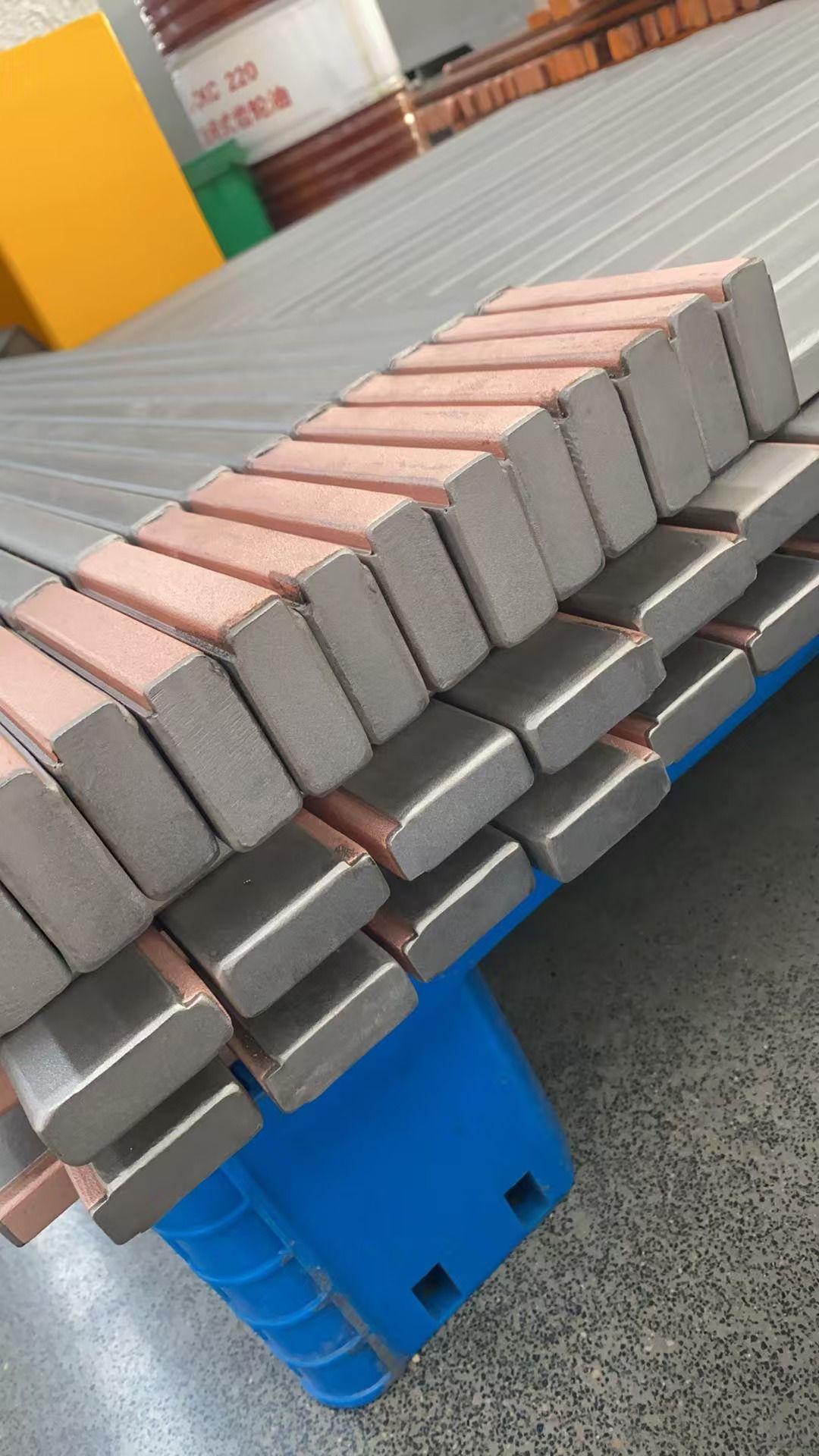
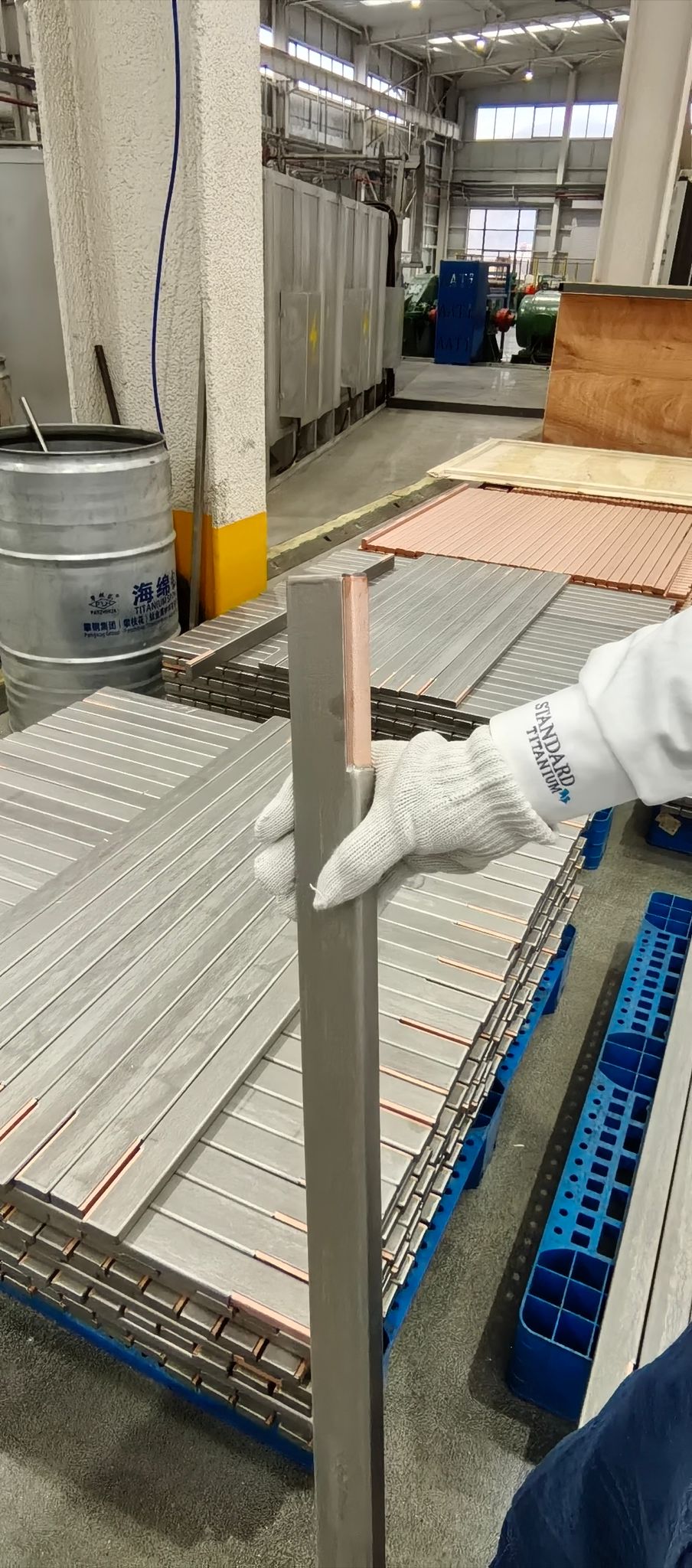
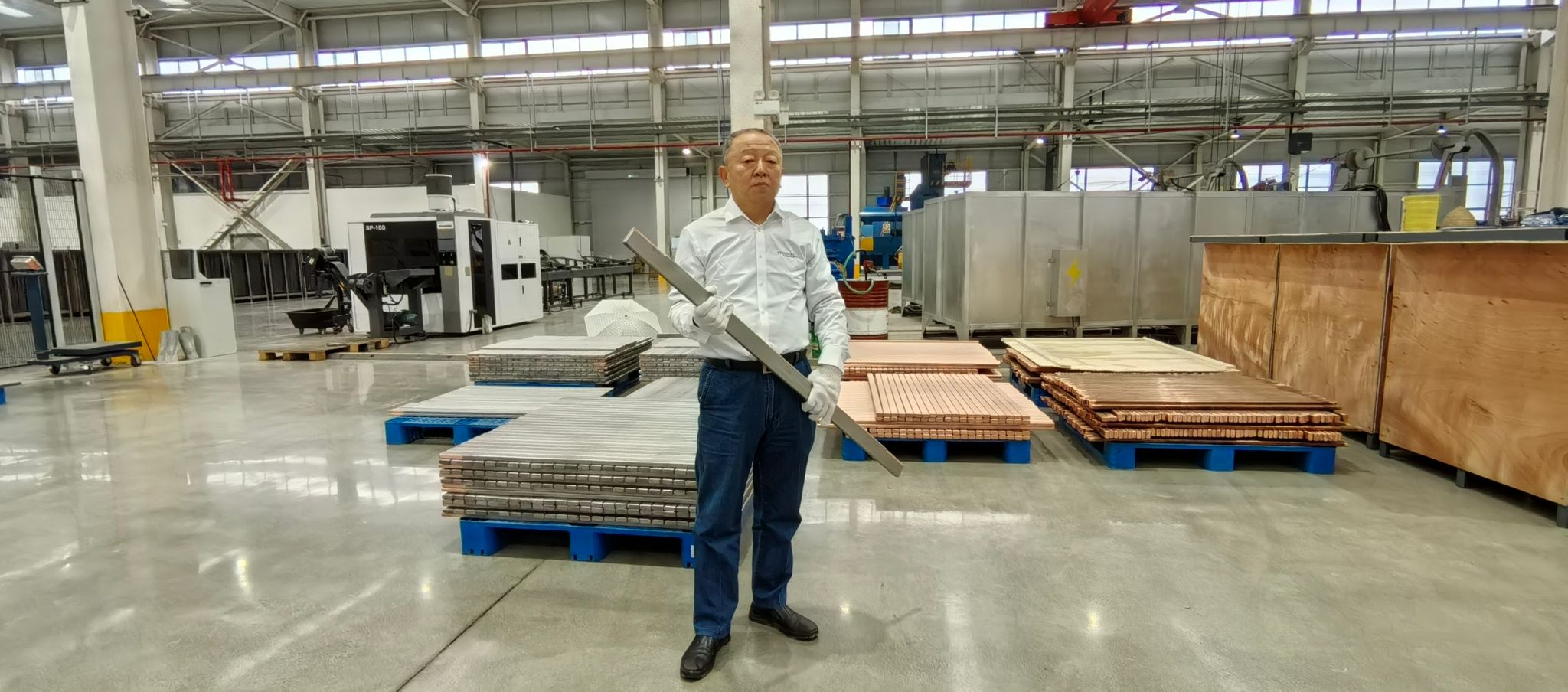
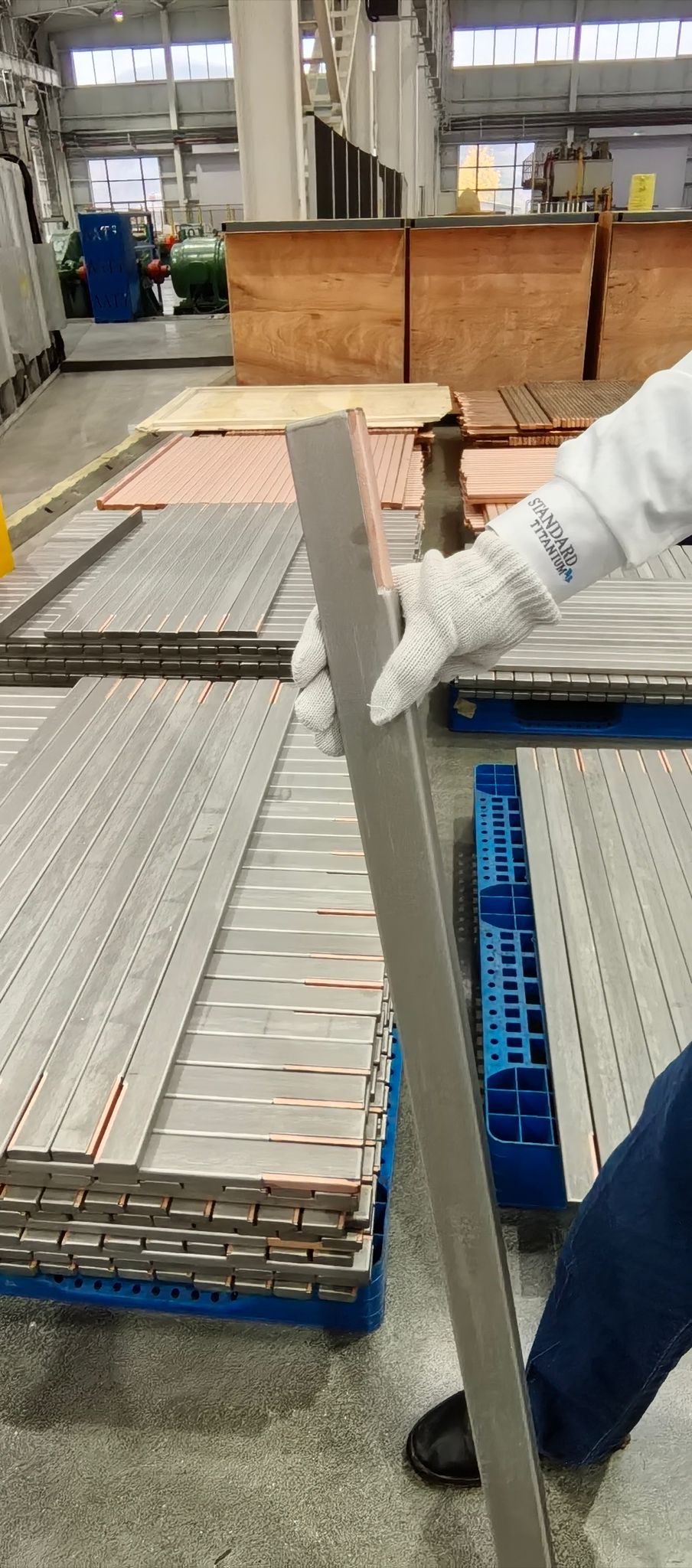
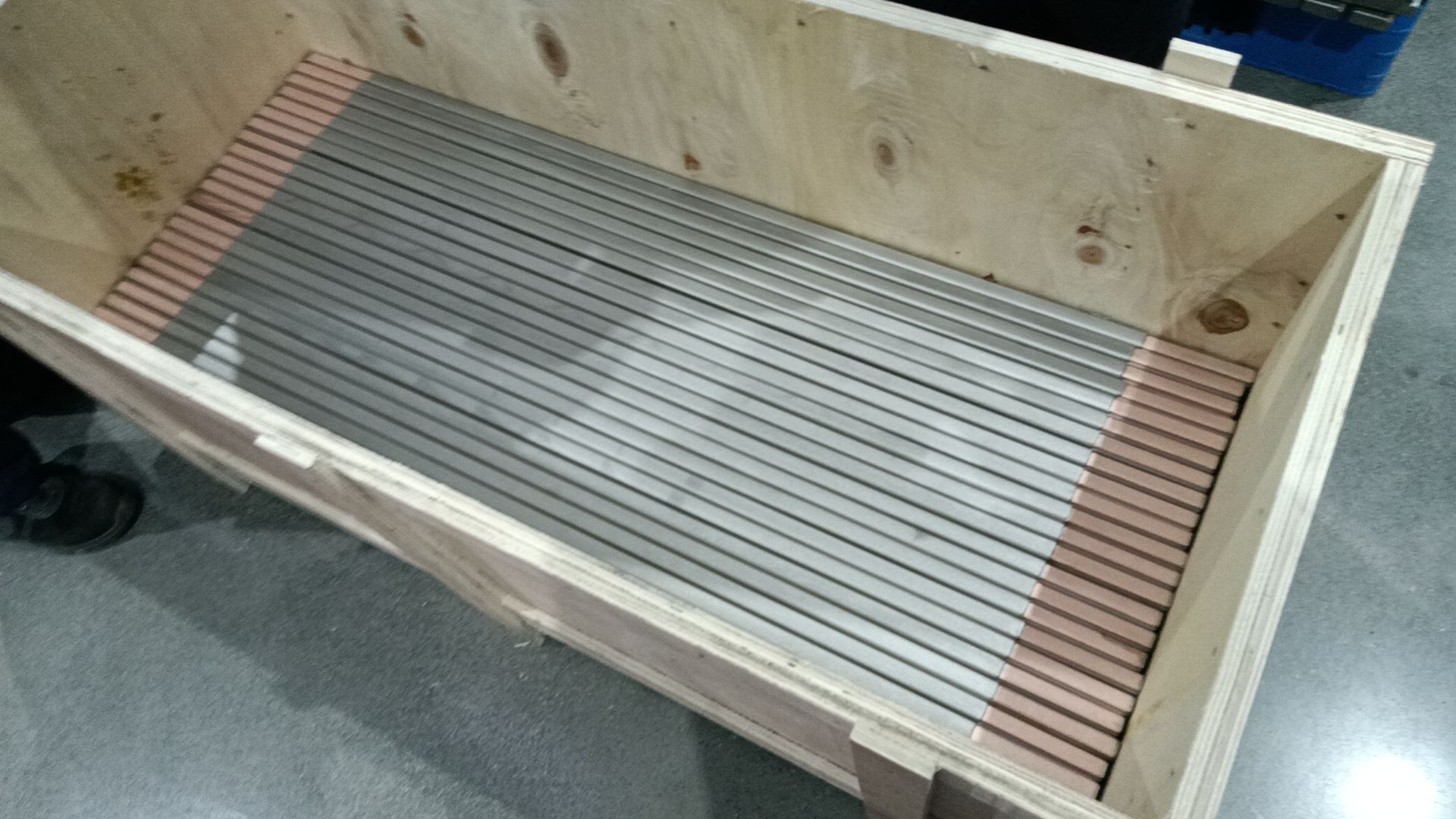
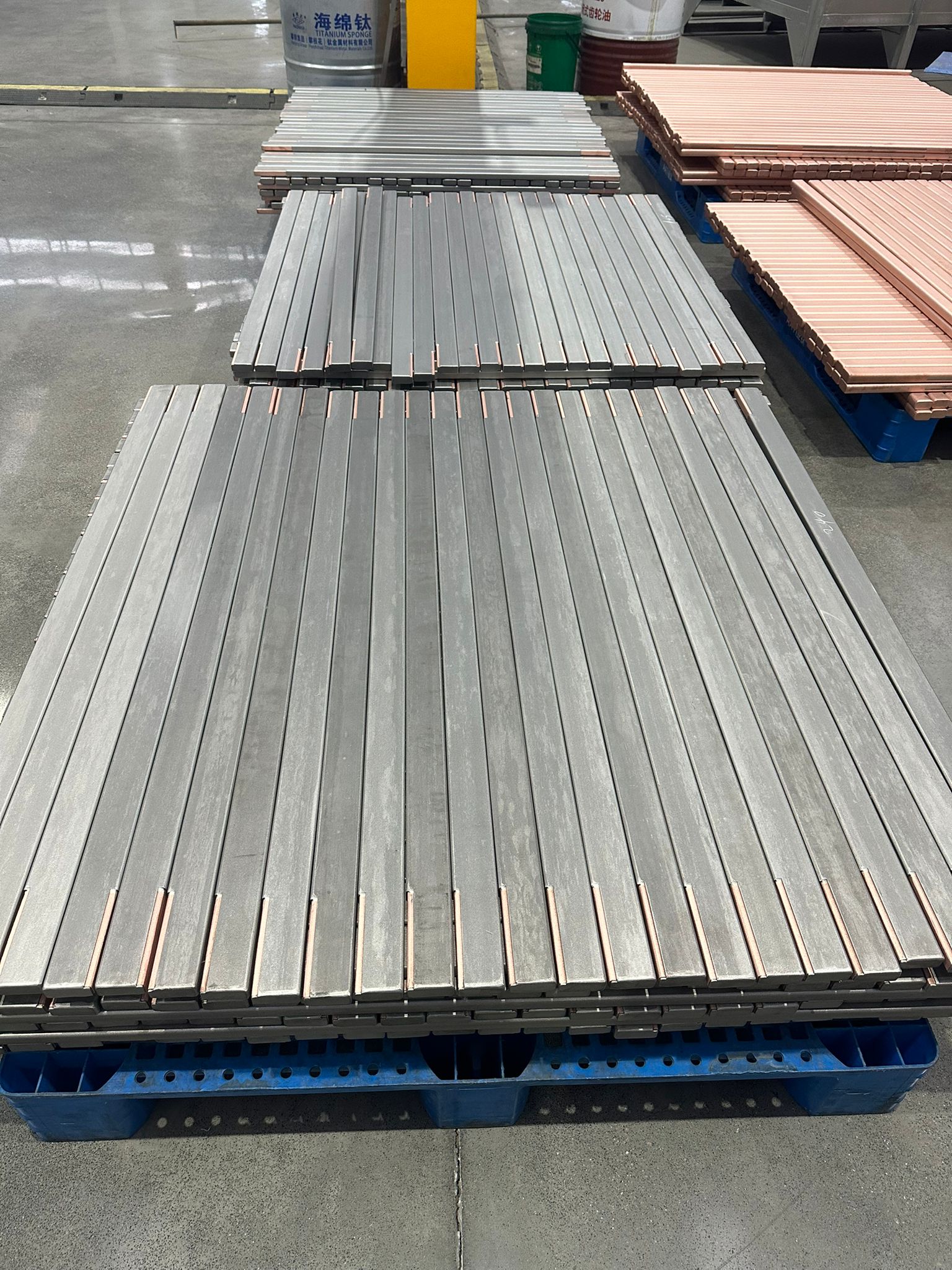
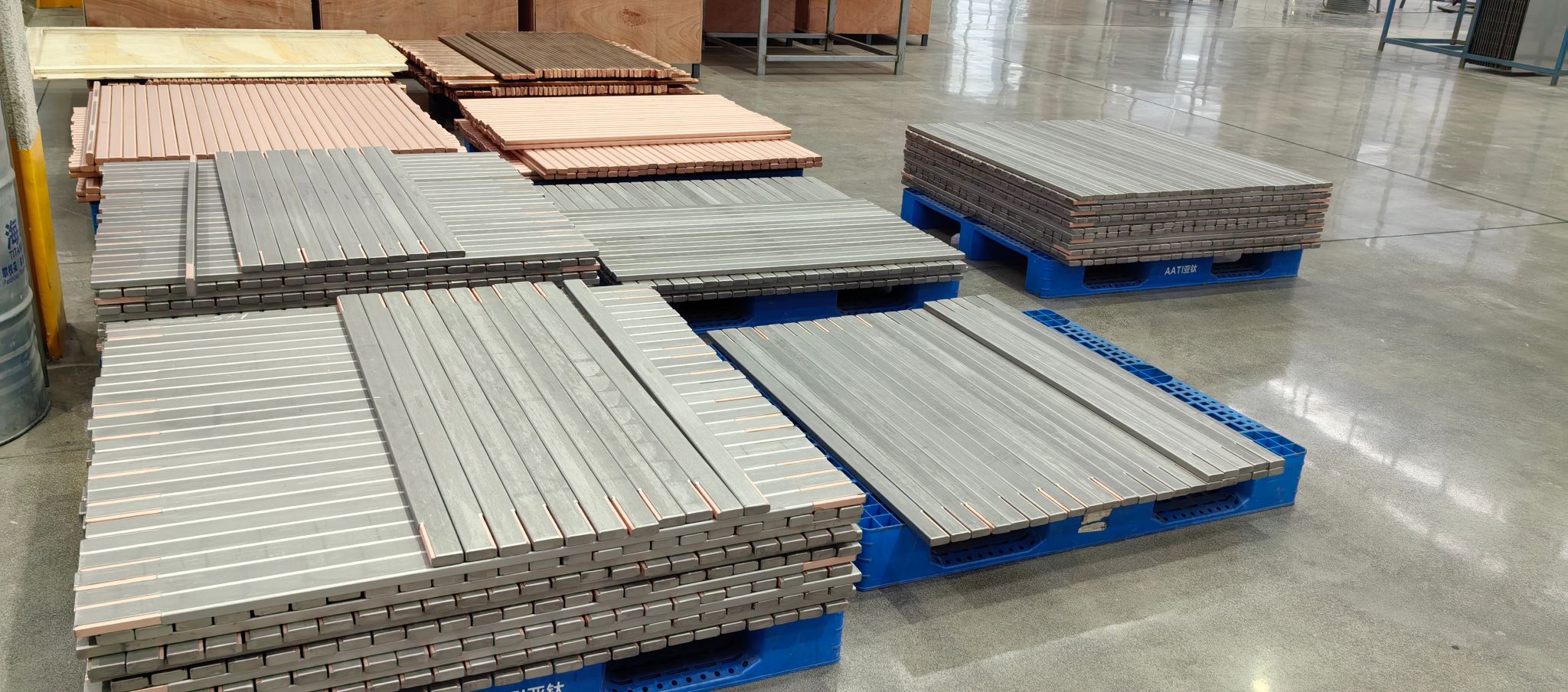
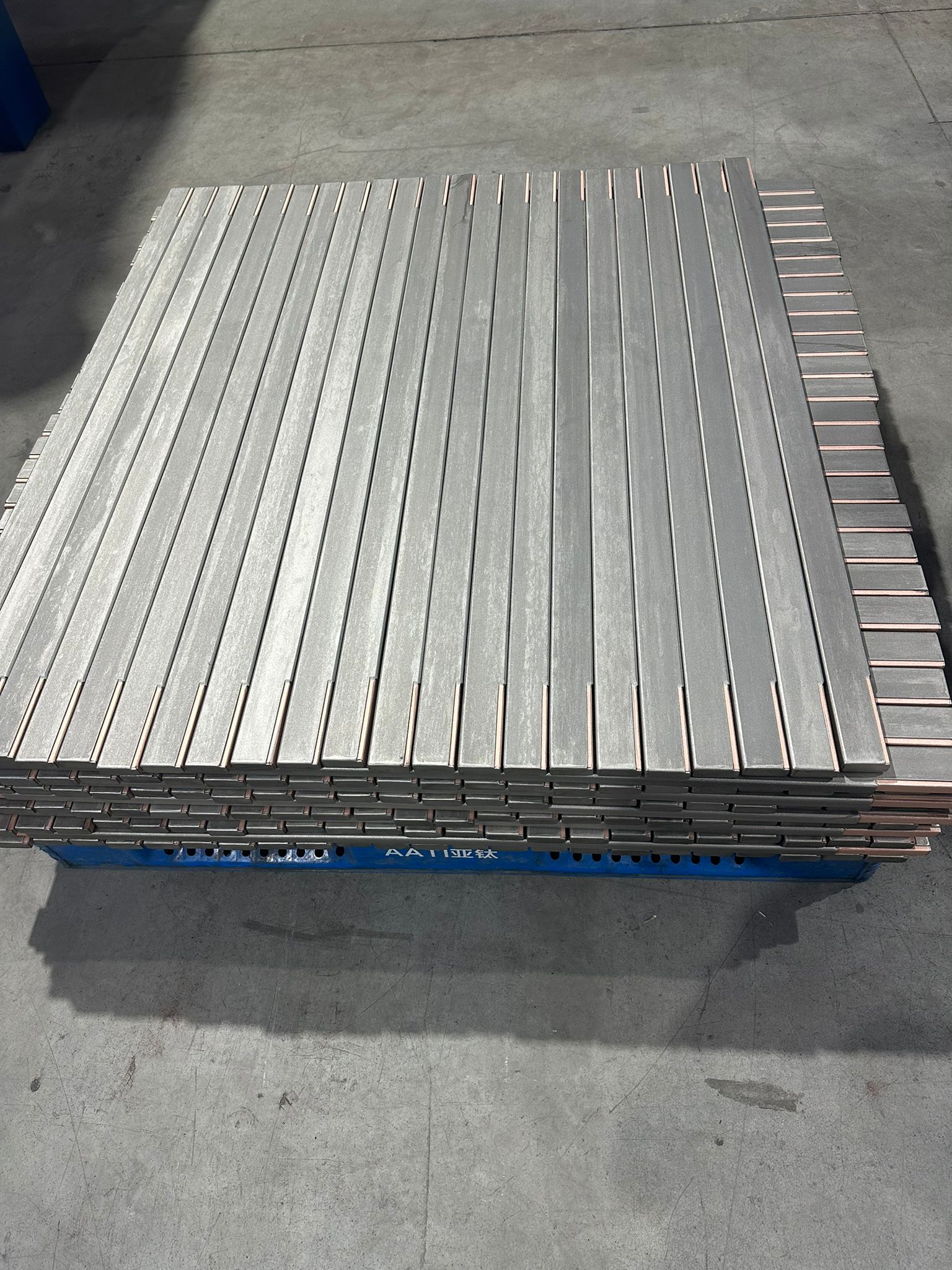
Manufacturing Titanium Clad Copper Bars for Electrochemical Applications
Titanium clad copper bars are gaining popularity in the realm of electrochemical applications due to their unique properties. The combination of titanium’s resistance to corrosion and copper’s excellent electrical conductivity makes them ideal for various industrial applications.
Understanding the Materials
Copper is well-known for its superior electrical conductivity, but it lacks the corrosion resistance required in harsh environments. Titanium, on the other hand, is outstanding in terms of corrosion resistance but is not as conductive. By combining these two materials, we can leverage the benefits of both.
The Manufacturing Process
Manufacturing titanium clad copper bars involves several key processes:
- Material Selection: Choosing high-quality titanium and copper is essential for optimal performance.
- Bonding Techniques: Various methods, such as explosive bonding or mechanical processing, can be employed to create a strong bond between the two metals.
- Shaping: Once bonded, the clad material is shaped into bars or other forms, ensuring that the final product meets the required specifications.
- Quality Control: Rigorous testing is conducted to ensure the integrity of the bonded materials and that they meet industry standards.
Applications in Electrochemistry
Titanium clad copper bars are particularly beneficial in electrochemical processes, including:
- Electrolysis: Used in the production of chemicals like chlorine and hydrogen.
- Corrosion Resistance: Ideal for applications in corrosive environments, such as seawater or chemical plants.
- Electrochemical Cells: They serve as electrodes due to their high conductivity and resistance to corrosion.
Conclusion
The manufacturing of titanium clad copper bars offers a practical solution for enhancing performance in various electrochemical applications. With ongoing advancements in bonding techniques and material science, the potential uses for these composite materials continue to grow.